British Bulldog Caesarean Preparation Checklist in Australia
A practical preparation framework for Australian British Bulldog breeders planning a veterinarian-led caesarean — covering veterinary and emergency planning, clinic communication, transport, the neonatal receiving area, the dam's return home, record keeping and the first 14 days.
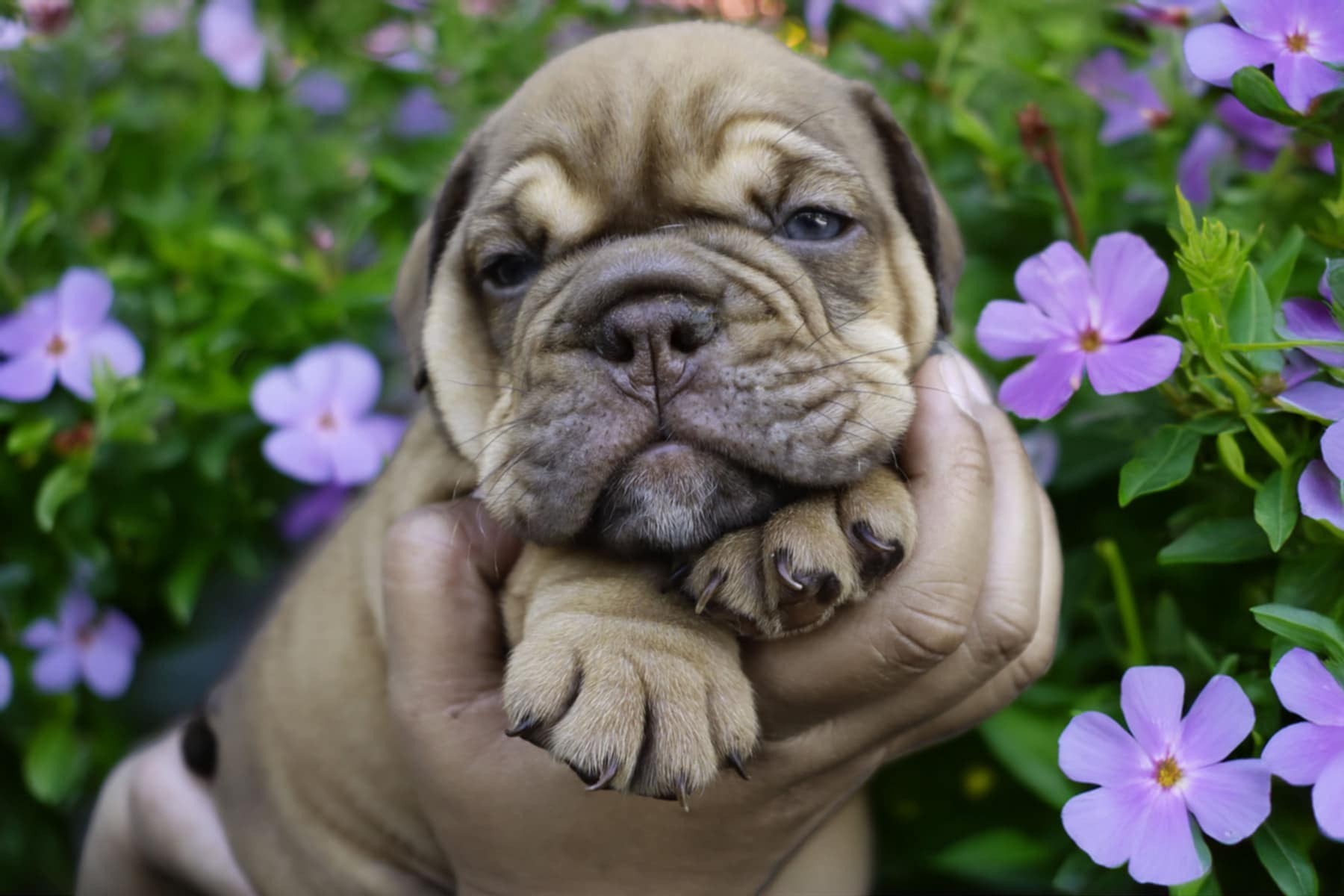
Preparation starts before labour
A planned caesarean is a veterinarian-led procedure. What the breeder controls is everything surrounding it: the clinic arrangements, the transport, the environment the puppies come home to and the records that make the following fortnight legible to both breeder and veterinarian.
None of that can be assembled on the day. By the time the dam is uncomfortable and the clinic is being called, the useful preparation window has closed.
This article is not a whelping guide and does not describe home management of a birth. If a British Bulldog dam shows signs of labour before her planned procedure, contact the veterinarian or emergency clinic immediately.
Veterinary and emergency planning
Caesarean timing is established by the veterinarian or reproduction specialist using the clinical information they consider appropriate, which may include ovulation and progesterone history, late-pregnancy progesterone monitoring, ultrasound findings and assessment of the dam. Canine gestation is more accurately estimated from ovulation timing than from the first mating date, which is why a date calculated from mating alone is not a plan.
Late-pregnancy progesterone monitoring, sometimes called reverse progesterone, may be used by some veterinarians to support timing. Results vary by analyser and laboratory, and interpretation is a clinical judgement. The breeder records the date, time, result, unit, laboratory and the instruction given; the veterinarian interprets and decides.
Establish before the due window: which clinic is performing the procedure, which emergency clinic covers after hours, how and when timing will be confirmed, what signs require immediate contact, and what the clinic's payment and consent process is.
Information your clinic needs
A clinic making decisions under time pressure benefits from a single organised record rather than a series of recalled dates. Ask the clinic what it wants in advance, because practices differ in how they handle puppy receiving and what they expect the breeder to supply.
Dam identification, registration and microchip details.
Mating dates and ovulation or progesterone timing history.
Ultrasound or radiograph findings and estimated litter size where known.
Previous caesarean or whelping history and any complications.
Current medications, supplements and known reactions.
The dam's usual veterinarian and any relevant health records.
Your contact details and those of your support person.
Transport checklist
Confirm the route to both the primary and emergency clinics, and who is driving if the breeder needs to travel in the back with the dam. Follow the clinic's instructions on food and water before surgery rather than a general rule.
Secure crate or restraint suitable for a heavily pregnant dam.
Clean towels and absorbent bedding for the vehicle.
A warmed, insulated carrier for the return journey with puppies.
Printed records and the clinic's paperwork.
Phone, charger and payment method.
Emergency clinic address and phone number saved and printed.
Support person briefed and available on the day.
Preparing the neonatal receiving area
Newborn puppies do not thermoregulate as adult dogs do, and veterinary neonatal guidance emphasises an environment that supports body temperature in the first days of life. Overheating carries its own risk, so the area should allow puppies to move away from the heat source, and temperature should be measured at puppy level rather than judged by how the room feels.
Set the environment to the range your veterinarian specifies, and confirm it with a thermometer before the litter arrives rather than adjusting once they are home.
Clean, enclosed puppy area with secure sides.
Safe heat source arranged so puppies can move away from it.
Thermometer positioned at puppy level.
Clean bedding and a supply of dry towels.
Accurate digital scales reading in grams.
Puppy identification system, applied and recorded.
Printed logs for weights, feeds and observations.
Cleaning supplies, waste bags and suitable disinfectant.
Emergency veterinary numbers displayed where they can be seen.
Preparing for the dam's return home
A dam returning from surgery is recovering from anaesthesia and an abdominal procedure. Contact with puppies should be supervised until she is steady, and the space should be set up so she can lie comfortably without stepping over barriers.
Follow the discharge instructions exactly on pain management, food, water and activity. Any medication given to a nursing dam is a veterinary decision, including anything the breeder may have used previously.
Colostrum intake matters early: veterinary neonatal guidance notes that intestinal absorption of IgG generally ceases by around 24 hours after birth and declines before that. Whether a particular puppy should be fed, and how, is a decision for the veterinary team, especially where the puppy is cold, weak or not latching.
First 24-hour record keeping
Group impressions hide the puppy that is missing feeds. Individual records make the pattern visible while there is still time to act on it.
Puppy identification, sex, colour or marking, and birth order where known.
Birth weight and each subsequent weight, in grams.
Observed latch attempts and actual feeds, with times.
Warmth, movement, vocalisation and gum colour at each check.
Any milk from the nose, laboured breathing or unusual quietness.
alertness, comfort, discharge, appetite, water intake, incision, mammary changes.
Every veterinary instruction received and every call made, with times.
First 14-day monitoring framework
Veterinary neonatal guidance describes daily weight recording in the early neonatal period, noting that healthy neonates gain steadily after the first day and that a mild transient loss can occur initially. A puppy that is not gaining, that loses weight, or that behaves differently from its littermates warrants veterinary contact rather than continued observation.
Alongside weights, track feeding and latch quality, warmth and positioning, breathing, stool and urine, and general behaviour. On the dam's side, track appetite, toileting, incision, milk supply, mammary comfort and any sign of mastitis, along with the medication schedule and recheck dates from the clinic.
Records also protect the breeder. They show what was observed, when the clinic was contacted and what was advised, which is difficult to reconstruct afterwards from memory.
When to contact the veterinarian
The breeder's role is to notice, record and call. Diagnosis and intervention are veterinary work, and an early call is easier to manage than a late one.
Puppy that is cold, weak, limp or unusually quiet.
Puppy that will not latch or cannot suckle.
Pale, blue or grey gums, or laboured breathing.
Milk appearing at a puppy's nose.
Puppy not gaining weight, or losing weight.
Dam weak, collapsed, distressed or in apparent pain.
Abnormal bleeding, discharge or incision changes in the dam.
Mammary swelling, heat, pain or abnormal milk.
Dam not eating, drinking, urinating or recovering as advised.
Breeder fatigue and overnight support
Two weeks of interrupted sleep degrades observation and decision-making, which is precisely what the litter depends on. Breeders miss weight trends and delay calls when they are exhausted, not when they are careless.
Brief a support person before the procedure, agree who covers which overnight shifts, print the logs so records do not depend on a phone, and keep the emergency numbers visible. Decide in advance what triggers a call, so the decision is not being made at three in the morning by a tired person.
Printable caesarean preparation checklist
If any line is unanswered, it is a question for the clinic rather than something to resolve on the day.
Primary clinic confirmed, with the timing pathway agreed.
After-hours emergency clinic identified, with address and number printed.
Signs requiring immediate contact confirmed with the veterinarian.
Pre-surgery food, water and medication instructions confirmed.
Clinic's puppy-receiving process understood.
Transport arranged, including a driver and a warmed return carrier.
Payment and consent arrangements settled.
Neonatal receiving area built, heated and measured at puppy level.
Scales, identification system and printed logs ready.
Dam recovery space prepared and quiet.
Support person briefed and overnight shifts agreed.
Recheck appointment expectations confirmed.
Veterinary disclaimer
This article provides general breeder education and operational preparation guidance only. It does not describe clinical procedures and should not be used as a substitute for veterinary assessment. Caesarean timing, anaesthesia, medication, surgical decisions, neonatal resuscitation and any intervention involving a dam or her puppies must be directed by a registered veterinarian.
Hollywood Bulldogs AUS is a British Bulldog breeding program in Brisbane, Queensland and an MDBA member (#18715). Hollywood Bulldogs AUS does not provide veterinary services and is not an emergency service.
Key Takeaways
- Caesarean timing is a veterinary decision and should not be estimated from mating dates alone.
- A primary clinic, an after-hours backup and a transport plan should be confirmed before the due window opens.
- The neonatal receiving area and the dam's recovery space must be set up before leaving for surgery.
- Individual puppy identification and daily weights are how decline is detected early.
- Any concern about a dam or a puppy is a reason to contact the veterinarian, not to observe for longer.
- Breeder fatigue across the first fortnight is a predictable risk and needs a rostered support person.
Printable planning calendars, neonatal logs and weight charts sit with the rest of the breeder preparation material.
Review Breeder ResourcesFrequently Asked Questions
About Hollywood Bulldogs AUS
Hollywood Bulldogs AUS is an MDBA-registered British Bulldog breeding program focused on evidence-led health selection, ADAMTS3 testing and transparent owner education. Educational content does not replace individual veterinary advice.
MDBA #18715
Continue Exploring the Program
Breeder Education
Fresh vs Chilled vs Frozen Semen for British Bulldogs in Australia
Fresh, chilled and frozen semen each place different demands on timing, transport and clinic coordination. The pairing decides which one is worth the logistics.
Breeder Education
ADAMTS3 for British Bulldog Breeders in Australia
ADAMTS3 copy status changes which stud makes sense for which dam. This is how Australian British Bulldog breeders read a 0-copy, 1-copy or 2-copy result and use it before the mating is planned.
Breeder Education
Buying a Main-Register British Bulldog Puppy in Australia
Main-register status does not make a British Bulldog breeding quality. Breeders need to understand health testing, ADAMTS3, structure, documentation and future pairing risk before they buy.