British Bulldog Breathing Australia — Trachea Size, ADAMTS3, and What Genetics Actually Cover
How breathing problems develop in British Bulldogs — the anatomical and functional factors involved, the role of ADAMTS3 copy number as a risk marker, what phenotypic assessment can and cannot tell you, and what DNA testing covers and where its limits are.
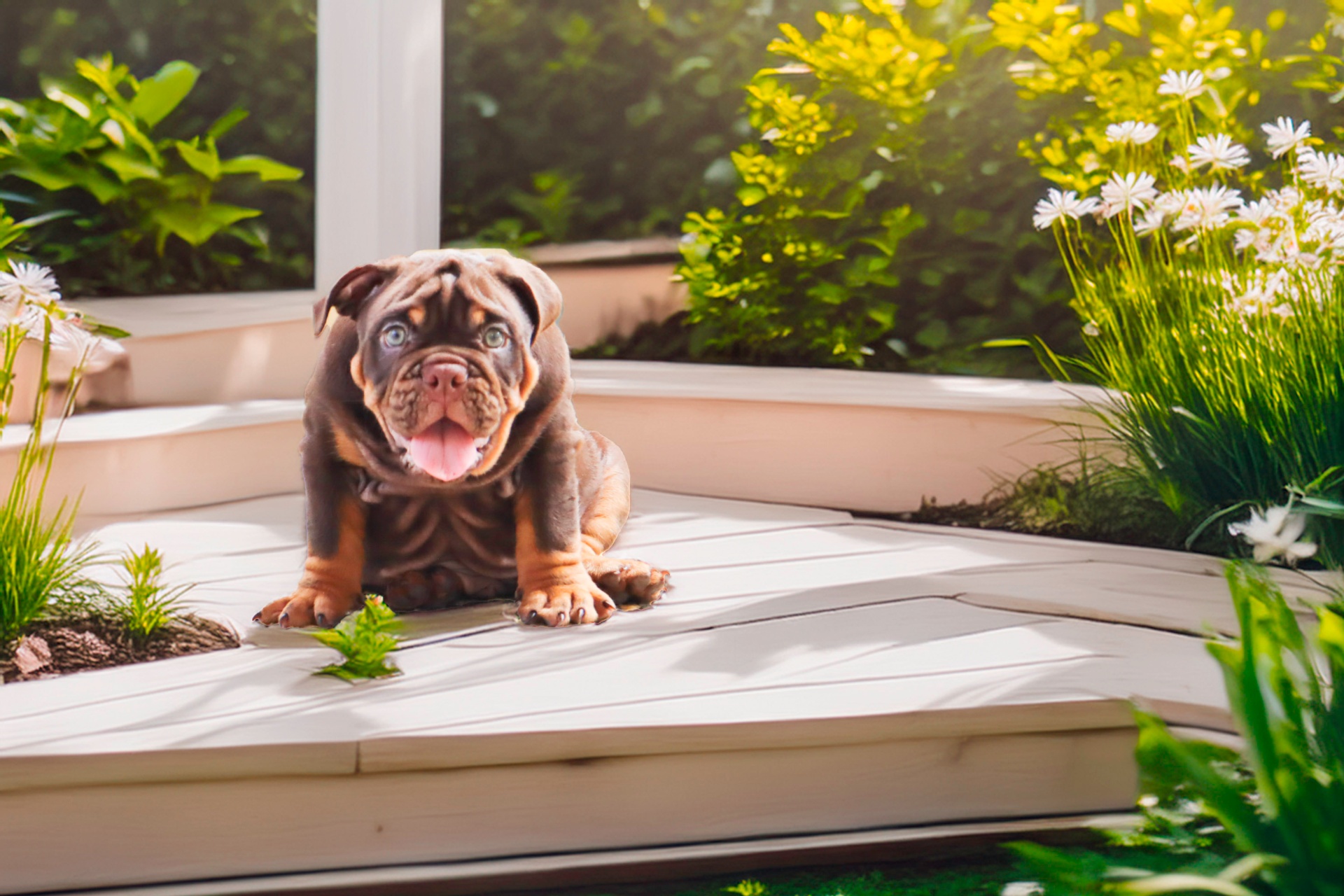
What influences breathing in British Bulldogs?
British Bulldogs were bred over generations for a compressed facial structure. That compression can affect how air moves through the upper airway.
Nostril openness (stenotic nares) can restrict airflow at the point of entry. Soft palate length can affect airflow at the back of the throat. Laryngeal changes — including everted saccules — can reduce the space available for air. Tracheal size can further influence airflow lower down. Body condition, heat tolerance, fitness, and the environment a dog lives in all interact with these structural features.
ADAMTS3 copy number sits alongside these factors as a genetic risk marker for airway oedema — the tendency for soft tissue in the upper airway to swell. A dog's overall breathing picture is shaped by structure, function, lifestyle, and genetics together.
These variables act together across the dog's lifetime; no single measurement captures the full airway picture.
“Breathing in a British Bulldog is shaped by structure, function, lifestyle, and genetics — not any one variable alone.”
What does ADAMTS3 copy number have to do with British Bulldog breathing?
Available ADAMTS3 population data should be cited only where the exact source and wording are verified. Hollywood Bulldogs AUS does not publish a specific breed-wide carrier percentage on this page until the source and copy-number category are confirmed.
Copy number is inherited. When the copy numbers of both parents are known, the possible outcomes for their offspring can be considered alongside structure and function. A 2-copy parent paired with a 1-copy parent can produce 2-copy offspring — the combination associated with the highest oedema risk under this marker. That pairing is not made at Hollywood Bulldogs AUS.
ADAMTS3 testing is specific to this one variable. It informs airway oedema risk discussions. It does not assess nostril openness, soft palate length, laryngeal function, tracheal size, body condition, or real-world breathing performance. Those are evaluated separately.
Documented 1-copy females
Documented 1-copy males
Documented 0-copy British Bulldog males
What is hypoplastic trachea in British Bulldogs?
The trachea needs to be wide enough to carry air efficiently at rest and during exertion. When the rings are narrower than typical, airflow lower in the airway can be affected — independent of what is happening at the nose, soft palate, or larynx.
A dog with a narrower trachea can still breathe. It may do so with more effort than a dog whose trachea developed at a more typical diameter, particularly under exertion or in heat.
Any additional narrowing — from oedema, from a swollen soft palate, from everted laryngeal saccules — sits on top of whatever the underlying tracheal structure is. The structural component does not change. The oedema component can be informed by genetic and management factors.
Selecting breeding dogs with more functional structure while maintaining breed type — including improved nostril openness, upper-airway space, and overall functional anatomy — is intended to reduce structural airway risk at the program level.
Can Respiratory Function Grading predict how a British Bulldog puppy will breathe?
RFG is a standardised evaluation. It measures something real: how the dog breathes on that day, in those conditions, under that assessor.
The scheme most widely referenced was developed by the University of Cambridge BOAS Research Group and is applied by trained assessors, who examine the dog at rest and again after a short exercise tolerance test. Results are reported as a grade from 0 to III, where Grade 0 and Grade I describe dogs with no or mild respiratory noise and effort, and Grade II and Grade III describe clinically relevant obstruction.
Its strength is that it reports observed function rather than inferred risk. Its limitation is that it describes the dog at a single point in time, under the conditions of that assessment, and cannot report what a dog will pass to its offspring.
Temperature, humidity, exertion level, the consulting room, and the assessor can all influence the result. The grade is meaningful information about the individual dog at the time of the assessment.
A DNA result, by contrast, reports a fixed genetic value that does not change between days or assessors. The two tools answer different questions: phenotypic assessment evaluates the dog in front of you; genetic testing reports specific inherited markers.
At Hollywood Bulldogs AUS, breeding decisions consider both — phenotype and genotype, structure and function, alongside health testing and whole-dog assessment.
“Phenotype tells you about the dog in front of you. Genotype tells you about specific inherited markers. Both matter.”
What does DNA testing reveal about British Bulldog breathing?
DNA testing is one of the most objective tools available, but it must be interpreted alongside structure, function, health testing, temperament, and whole-dog assessment.
ADAMTS3 testing covers one gene. It is a meaningful, documented marker for airway oedema risk in the breed. It is not the whole picture of how a dog breathes.
Structure matters independently. A dog with zero ADAMTS3 copies but a narrower trachea or restricted nares will still have airway constraints — they will just not come from the oedema mechanism this marker reflects.
This is why both dimensions matter. ADAMTS3 testing addresses one specific risk marker. Structural selection — selecting breeding dogs with better functional structure and airway characteristics — aims to reduce anatomical airway risk that a DNA swab cannot measure.
At Hollywood Bulldogs AUS, ADAMTS3 sampling begins at birth. Caesareans are performed by an independent reproductive veterinarian engaged on a fee-for-service basis, and umbilical cord tissue is collected from each puppy at delivery.
Samples are analysed by Dog Breeding Science, an Australian veterinary genetics laboratory in Redfern, NSW. Samples are not sent offshore.
Once laboratory analysis is complete, each puppy's ADAMTS3 copy number is documented. That result identifies the dog's copy number for this one genetic marker; it is one input considered alongside structural and functional assessment.
Can a 0-copy British Bulldog still have breathing problems?
A British Bulldog's breathing is influenced by multiple interacting factors including structure, function, genetics, fitness, body condition and management.
This is why Hollywood Bulldogs AUS combines DNA screening with assessment of structure, function and whole-dog suitability when making breeding decisions rather than relying on a single genetic result.
A 0-copy result removes one documented genetic risk marker. It is one piece of the picture, interpreted alongside structure and function.
What buyers should ask a breeder
Are both parents ADAMTS3-tested, and what are their copy numbers?
What other DNA screening is performed on the breeding adults?
How does the program assess structure and breathing function in the parents?
What does the breeder do to avoid producing 2-copy offspring under the ADAMTS3 marker?
What veterinary involvement supports whelping and puppy health checks?
What information about the puppy's genetics and health will be provided in writing at pickup?
Hollywood Bulldogs AUS position
Hollywood Bulldogs AUS is an ADAMTS3-aware, health-testing, DNA-screening, education-led British Bulldog breeding program.
We treat ADAMTS3 as an important airway oedema risk marker — not the only factor involved in breathing or BOAS.
We pair structural selection with DNA screening and consider phenotypic function alongside genotypic results.
We do not claim that DNA testing alone predicts how a dog will breathe, and we do not claim ADAMTS3 is the only relevant variable.
Where veterinary input is required, professional advice is obtained on a fee-for-service basis. The program is not represented as being managed or certified by any external veterinarian.
Do British Bulldog breathing problems get worse with age?
A British Bulldog with chronic airway compromise may not display obvious respiratory distress at rest. Reduced exercise tolerance, prolonged recovery following exertion or declining heat tolerance may make the impairment more apparent.
By the time those changes are observed, the underlying structural, functional and genetic contributors have generally been present since development.
Some inherited influences on a puppy's airway profile are established through parent selection, including parental ADAMTS3 copy numbers and structural characteristics considered during breeding assessment.
Puppies from Hollywood Bulldogs AUS leave at eight weeks with their ADAMTS3 copy numbers documented. The pairing that produced the litter was selected using structural, functional and genetic evidence from the sire and dam.
“Inherited airway risk is influenced before birth through parent selection, but respiratory function must still be assessed in the individual dog.”
Key Takeaways
- British Bulldog breathing and airway function can be influenced by multiple factors, including nostril openness, soft palate length, laryngeal changes, tracheal size, airway swelling, body condition, heat tolerance, fitness, and genetics
- Marchant et al. (2019, PLOS Genetics) identified an ADAMTS3 variant associated with upper airway syndrome in Norwich Terriers and found the variant enriched in Bulldogs and French Bulldogs; in British Bulldogs it is treated as an important airway oedema risk marker, not the only factor involved in breathing or BOAS
- ADAMTS3 copy number is used as a genetic risk marker for airway oedema; DNA testing does not assess nostril openness, soft palate length, laryngeal function, tracheal size, body condition, or real-world breathing performance
- Respiratory Function Grading is a phenotypic assessment of an individual dog's breathing function at the time of assessment — useful information for evaluating the dog itself, but not the same thing as a DNA result
- DNA testing is one of the most objective tools available, but it must be interpreted alongside structure, function, health testing, temperament, and whole-dog assessment
- Every breeding adult and every puppy born into the Hollywood Bulldogs AUS program is ADAMTS3-tested; breeding decisions also consider structure, function, and whole-dog assessment
A puppy from Hollywood Bulldogs AUS comes from a program that takes ADAMTS3, DNA screening, structure, function, and breeding decisions seriously.
Apply for a puppyFrequently Asked Questions
Sources and References
Packer, R.M.A., Hendricks, A., Tivers, M.S., Burn, C.C. (2015). Impact of facial conformation on canine health: brachycephalic obstructive airway syndrome. PLOS ONE, 10(10): e0137496 — https://doi.org/10.1371/journal.pone.0137496
O'Neill, D.G., et al. (2022). Health of English Bulldogs under UK primary veterinary care. Canine Medicine and Genetics, 9:5 — https://doi.org/10.1186/s40575-022-00113-w
Marchant, T.W., et al. (2019). An ADAMTS3 missense variant is associated with Norwich Terrier upper airway syndrome. PLOS Genetics, 15(5): e1008102 — https://doi.org/10.1371/journal.pgen.1008102
Sources are cited for the mechanisms described above. Where a mechanism has been characterised in another breed, that limitation is stated in the relevant section rather than generalised to British Bulldogs.
About Hollywood Bulldogs AUS
Hollywood Bulldogs AUS is an MDBA-registered British Bulldog breeding program focused on evidence-led health selection, ADAMTS3 testing and transparent owner education. Educational content does not replace individual veterinary advice.
MDBA #18715
Continue Exploring the Program
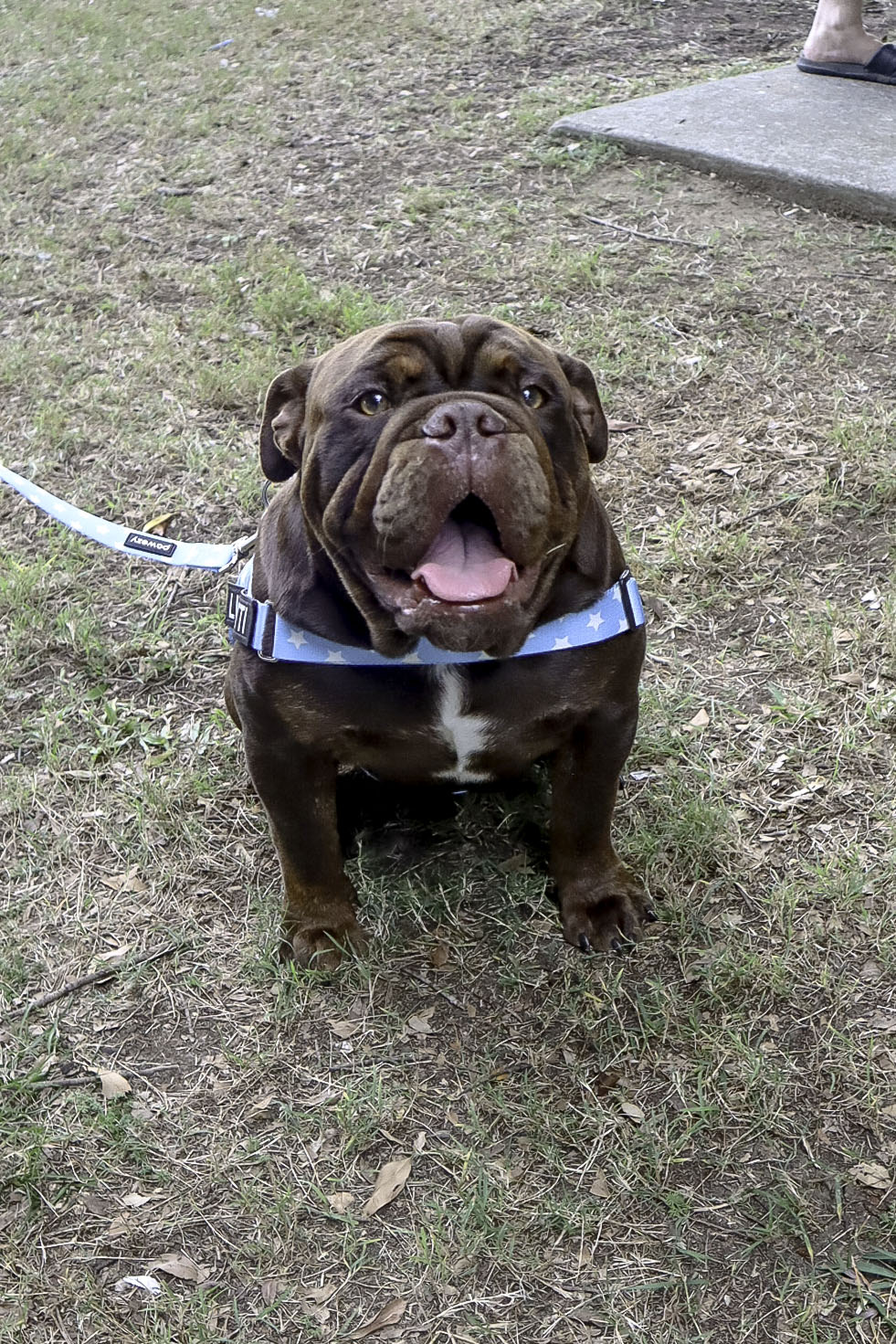
Genetics & DNA
ADAMTS3 British Bulldogs Australia: The Science, the Research, and Why It Matters
ADAMTS3 is an important airway oedema risk marker considered in British Bulldog breeding decisions. This guide explains what current research shows, what ADAMTS3 testing can tell you, and why it should always be interpreted alongside structure, function and whole-dog assessment.
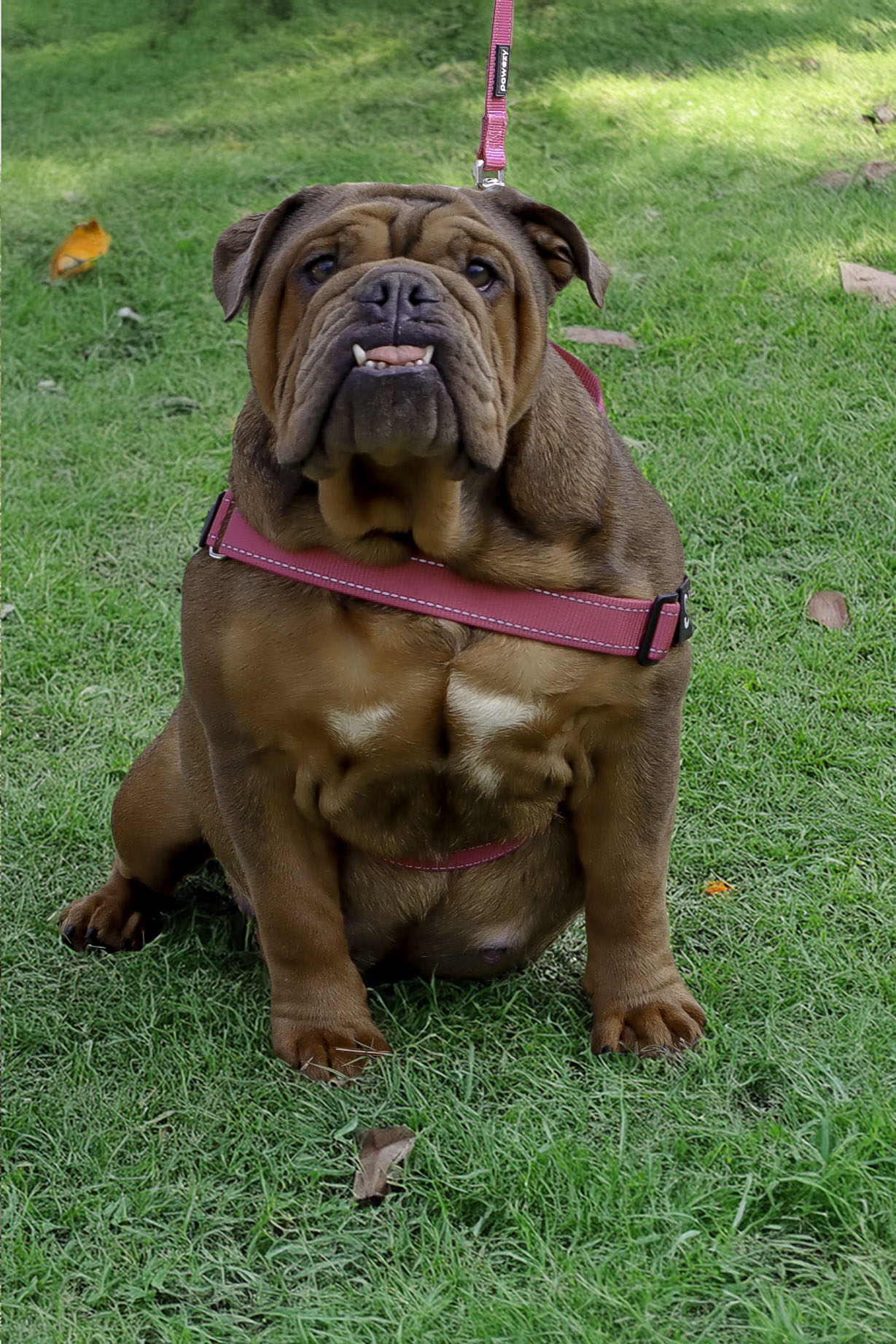
Health Testing
British Bulldog Health Testing Australia: Why DNA Is the Only Honest Measure
A British Bulldog can look healthy. That tells you how it looks on that day, in that room. It cannot tell you what it carries. It cannot tell you what it will pass on. DNA testing answers the questions that phenotype cannot.
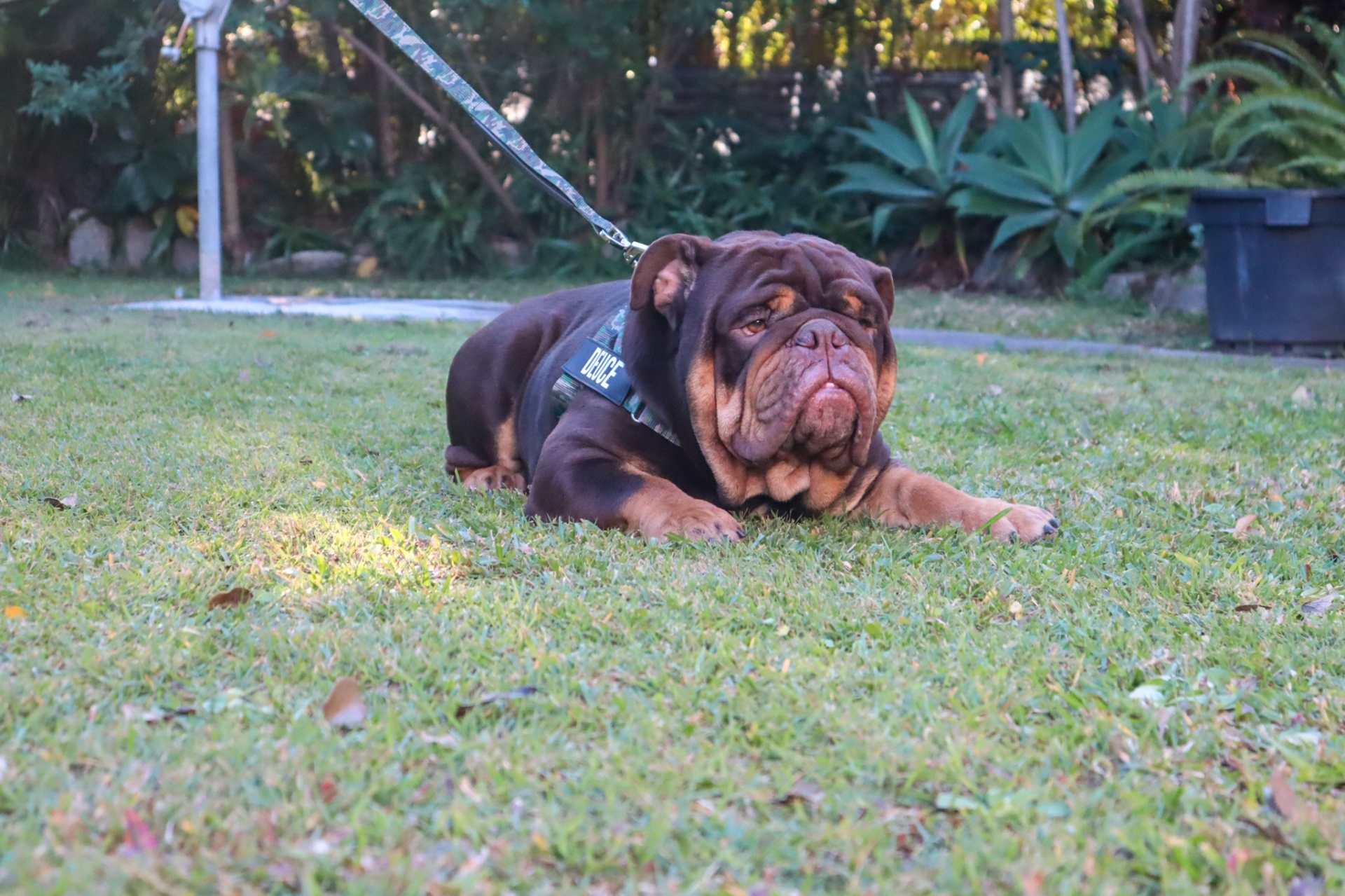
Genetics & DNA
British Bulldog Genetics Explained: ADAMTS3, Inheritance, and Breeding in Australia
Every British Bulldog puppy inherits an ADAMTS3 copy number — 0, 1 or 2 — at conception. DNA screening is one important tool for understanding inherited risk, and ADAMTS3 testing informs breeding decisions when interpreted alongside structure, function and whole-dog assessment.