Genetics & DNA
ADAMTS3 British Bulldogs Australia: The Science, the Research, and Why It Matters
Key Takeaways
- ADAMTS3 is a protease involved in activating VEGF-C, a key growth factor for lymphatic vessel development.
- Reduced ADAMTS3 function may impair lymphatic function in airway tissues and is considered an important genetic marker associated with airway oedema risk in British Bulldogs.
- A 2019 genome-wide study published in PLoS Genetics (Marchant et al.) identified an ADAMTS3 missense variant enriched in the British Bulldog and the French Bulldog.
- Copy count (0, 1 or 2 copies of the tested risk allele) informs breeding decisions aimed at reducing the frequency of the risk allele across generations.
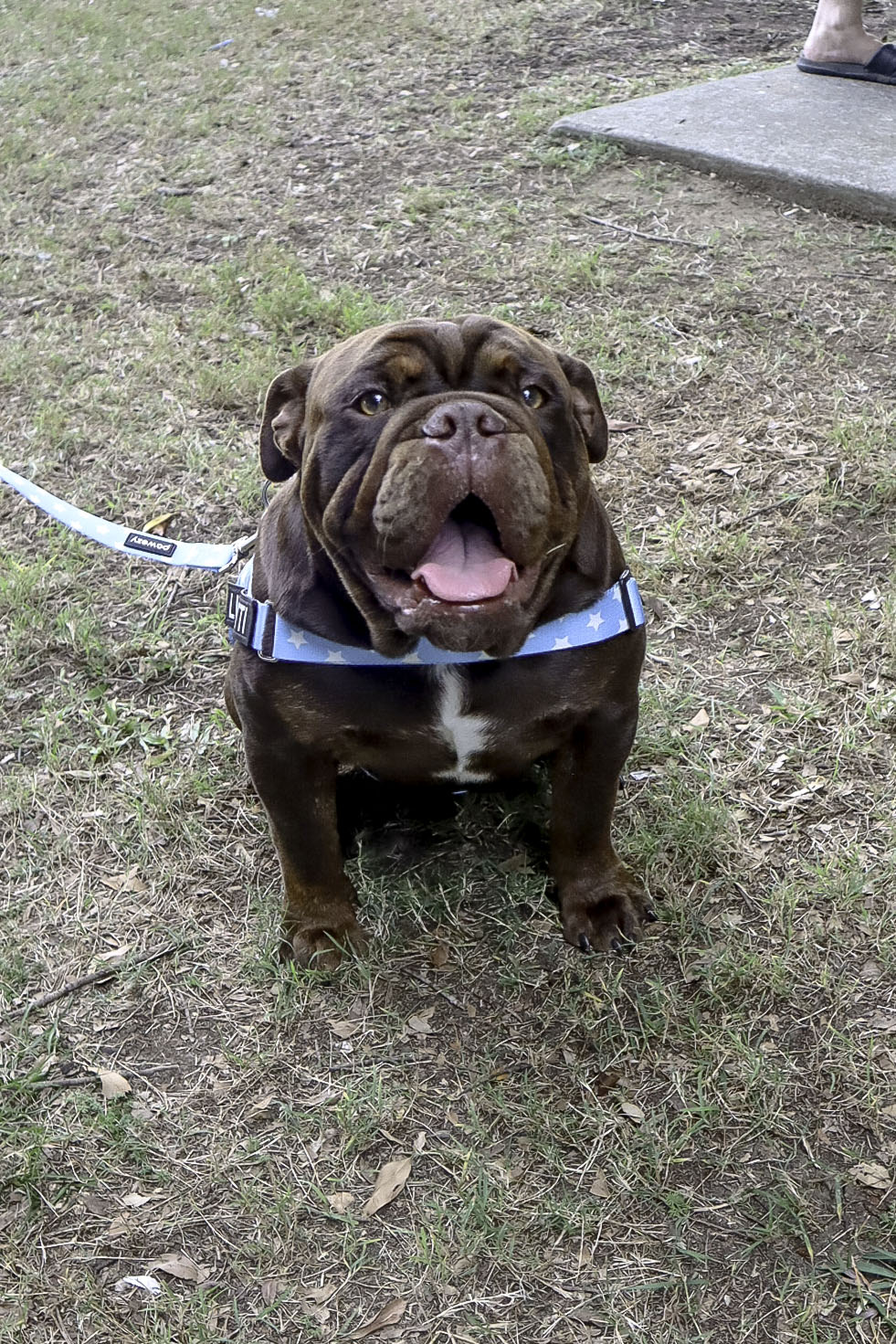
- Hollywood Bulldogs AUS has produced documented 0-copy and 1-copy British Bulldogs in Australia as part of a multi-generational ADAMTS3-focused program.
- ADAMTS3 is one piece of a whole-dog breeding approach and should be interpreted alongside structure, function and overall assessment.
Cord tissue is collected at birth so each puppy's ADAMTS3 status can be determined once laboratory testing has been completed. If you'd like to find out about availability —
Apply for a puppyWhat ADAMTS3 reveals about British Bulldog airway disease
A British Bulldog with severe airway compromise may experience reduced exercise tolerance and prolonged recovery following exertion. When two British Bulldogs with similar skull conformation have different breathing outcomes, additional genetic factors may contribute to differences in airway function. Breeding decisions that influence those outcomes are made before the puppy is born.
Research published in 2019 described an additional factor that may contribute to airway obstruction in dogs: changes in lymphatic function in airway tissues associated with a variant in the gene ADAMTS3. The risk allele was found to be enriched in the British Bulldog and the French Bulldog.
Skull conformation is one part of the BOAS story. ADAMTS3 is another piece of information that can inform breeding decisions.
What the 2019 PLoS Genetics research found about Bulldogs and ADAMTS3
A multi-institutional team — University of Edinburgh, University of Bern, the NIH, the Royal Veterinary College and others — published a genome-wide association study in PLoS Genetics in 2019. Using whole-genome resequencing, they identified a missense variant in exon 20 of the gene ADAMTS3 — specifically, c.2786G>A — associated with upper airway syndrome in Norwich Terriers.
When the researchers examined the frequency of this risk allele across breeds, they found it enriched in the British Bulldog and the French Bulldog.
Their proposed model is that changes in ADAMTS3 function may contribute to airway oedema, which is associated with an increased risk of upper airway obstruction — alongside, rather than instead of, skull shape.
Marchant TW et al. An ADAMTS3 missense variant is associated with Norwich Terrier upper airway syndrome. PLoS Genetics, 15(5): e1008102. 2019.
For the first time, a non-structural risk marker for canine airway disease had been described — and it was enriched in the British Bulldog.
What ADAMTS3 actually is
ADAMTS3 belongs to the ADAMTS family of extracellular proteases. Its name describes its structure: a disintegrin domain, a metalloproteinase domain, and thrombospondin motifs.
It was originally described as a procollagen N-proteinase — an enzyme that trims the ends of collagen precursors. Research published between 2014 and 2016 highlighted another biologically important role.
ADAMTS3 is involved in the activation of VEGF-C.
VEGF-C (Vascular Endothelial Growth Factor-C) is a key growth signal for lymphatic endothelial cells. It contributes to lymphangiogenesis — the formation, growth and maintenance of the lymphatic vascular system. VEGF-C is produced in an inactive precursor form and must be proteolytically cleaved before it can signal effectively.
ADAMTS3 performs that cleavage in partnership with a co-factor protein called CCBE1, which helps position pro-VEGF-C at the lymphatic endothelial cell surface. The result is active VEGF-C, which signals through VEGFR-3 receptors and supports lymphatic vessel growth and function.
The two roles are distinct; the lymphatic role is the one most relevant to airway health. A dog carrying two copies of the risk allele falls into the highest inherited risk category for this marker; this copy number is the measurable genetic variable that can be incorporated into breeding decisions.
What ADAMTS3 loss-of-function looks like in research models
Knockout mouse studies provide useful context.
Mice with two non-functioning ADAMTS3 copies do not survive beyond approximately 15 days of gestation. They develop widespread lymphedema associated with failure of the lymphatic vasculature to form. Collagen processing appeared largely intact in those studies, with the developmental phenotype linked to loss of VEGF-C activation.
In humans, mutations in ADAMTS3 are associated with Hennekam lymphangiectasia-lymphedema syndrome — a rare autosomal recessive condition characterised by lymphedema, lymphangiectasia, and developmental delay.
These research findings are not directly equivalent to the heterozygous variant seen in British Bulldogs, but they support the broader picture that ADAMTS3 function is important to lymphatic health.
The airway oedema mechanism in British Bulldogs
This is why the research is relevant to the British Bulldog specifically.
BOAS has historically been understood largely as a mechanical issue: compressed skull, narrowed airways, physical obstruction. The 2019 research added an additional consideration — airway oedema that may affect tissue around the airway, associated with reduced ADAMTS3 function — operating alongside structural factors.
In a British Bulldog, skull conformation can already create airway resistance. Where soft tissue oedema is also present, the functional airway narrowing may be greater than structural assessment alone would predict.
ADAMTS3 is one piece of this picture and should be interpreted alongside whole-dog assessment.
The research team described this as an additional consideration in the breed's airway disease: a lymphatic component, in which ADAMTS3 plays a role.
What ADAMTS3 copy count means — 0, 1 and 2 copies explained
Every dog has two copies of every gene: one from each parent.
In British Bulldogs, the risk allele appears to be highly prevalent — consistent with the breed's predisposition to airway disease. At the time ADAMTS3 testing first became available to the British Bulldog community, only approximately 1.98% of tested British Bulldogs were identified as 1-copy dogs. This suggests that the majority of the tested population at that time carried two copies of the risk allele.
Finding a dog with one copy was rare. Producing dogs with zero copies was a meaningful breeding milestone — interpreted alongside whole-dog assessment, not as a standalone outcome.
No copies of the tested ADAMTS3 risk allele were detected.
One copy of the tested ADAMTS3 risk allele was detected.
Two copies of the tested ADAMTS3 risk allele were detected. Under this marker, this represents the highest inherited risk category.
How should ADAMTS3 results be interpreted?
ADAMTS3 is one of several pieces of evidence that inform responsible breeding decisions.
Nostril openness, soft palate length, laryngeal function, tracheal size, body condition, fitness, heat tolerance, temperament and overall breeding quality all contribute to how an individual British Bulldog breathes.
Hollywood Bulldogs AUS considers ADAMTS3 alongside these factors when making breeding decisions rather than relying on any single DNA result.
The Hollywood Bulldogs AUS ADAMTS3 program
Hollywood Bulldogs AUS began testing for ADAMTS3 when testing became available to the British Bulldog community.
Three of the five British Bulldogs tested within the program were identified as 1-copy dogs — at a time when only approximately 1.98% of tested British Bulldogs were found to carry a single copy of the risk allele.
That included documented 1-copy females and males.
Those results did not go into a file. They informed the direction of the breeding program.
Multi-generational breeding decisions were built around ADAMTS3 information — pairing 1-copy dogs in ways that increased the probability of producing offspring with lower copy counts. That work led to the production of documented 0-copy British Bulldog males.
Hollywood Bulldogs AUS holds Australia's largest collection of ADAMTS3-tested 0-copy and 1-copy British Bulldogs.
That position was built through testing, documentation, breeding decisions and time — not through marketing language.
“Every puppy bred from that point forward carried a different starting point because of it.”
Documented 1-copy females
Documented 1-copy males
Documented 0-copy British Bulldog males
Australia's largest collection of ADAMTS3-tested 0-copy and 1-copy British Bulldogs
ADAMTS3 in context — not the whole dog
This is where clarity matters.
ADAMTS3 is one of the most clinically relevant contemporary DNA markers in the British Bulldog. The research behind it is peer-reviewed, the proposed mechanism is described in the literature, and the implications for breeding decisions are real.
But no serious breeding program reduces an entire British Bulldog to one test result.
ADAMTS3 copy count should be interpreted alongside DNA panel results for HUU, CMR1, DM and Cystinuria; alongside hip information and tracheal evaluation; alongside structural and functional breathing assessment; alongside temperament and maturity; alongside pedigree and long-term program goals.
The aim is not a number. The aim is a healthier dog, bred from evidence and whole-dog assessment.
Questions to ask a breeder about ADAMTS3
If ADAMTS3 is mentioned by a breeder, these are the questions that matter:
What are the copy counts for both parents? How did that inform this pairing? What does it mean for puppies in this litter? What other DNA screening have the parents had? How do you assess structure and breathing function beyond DNA?
A breeder who answers these without hesitation is working from evidence. A breeder who can't is working from marketing. The dog you bring home will live with the genetics, structure and early breeding decisions behind it for years to come.
“The dog you bring home will live with the genetics, structure and early breeding decisions behind it for years to come.”
What breeders should understand about ADAMTS3
ADAMTS3 is not a standalone measure of quality; it is one evidence-based data point considered alongside structure, function and the broader health assessment.
It indicates how many copies of the tested risk allele each breeding adult carries. That information becomes useful when it shapes pairing decisions — specifically, decisions aimed at reducing the proportion of 2-copy offspring across generations.
The goal over time is to increase the frequency of 0-copy and 1-copy dogs in the program, while maintaining genetic diversity and considering ADAMTS3 alongside all other structural, temperamental and health inputs.
Hollywood Bulldogs AUS has been doing this work across multiple generations as part of an ongoing breeding program.
Sources and References
Marchant, T.W., et al. (2019). An ADAMTS3 missense variant is associated with Norwich Terrier upper airway syndrome. PLOS Genetics, 15(5): e1008102 — https://doi.org/10.1371/journal.pgen.1008102
Packer, R.M.A., Hendricks, A., Tivers, M.S., Burn, C.C. (2015). Impact of facial conformation on canine health: brachycephalic obstructive airway syndrome. PLOS ONE, 10(10): e0137496 — https://doi.org/10.1371/journal.pone.0137496
O'Neill, D.G., et al. (2022). Health of English Bulldogs under UK primary veterinary care. Canine Medicine and Genetics, 9:5 — https://doi.org/10.1186/s40575-022-00113-w
Master Dog Breeders and Associates (MDBA), Breeding Brachys for Health program requirements — https://mdba.net.au
Sources are cited for the mechanisms described above. Where a mechanism has been characterised in another breed, that limitation is stated in the relevant section rather than generalised to British Bulldogs.
Frequently Asked Questions
Continue Exploring the Program
Health Testing
British Bulldog Health Testing Australia: Why DNA Is the Only Honest Measure
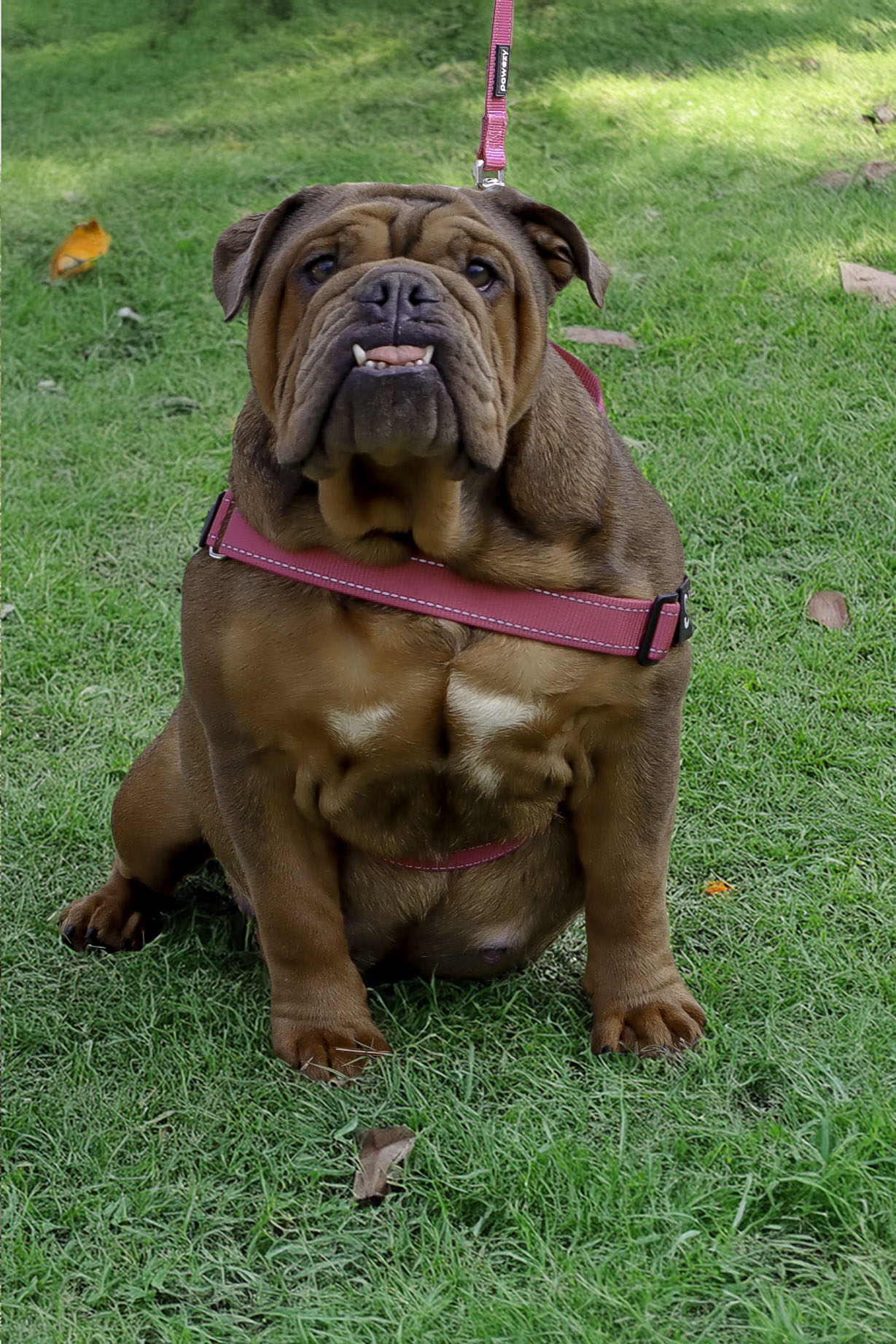
A British Bulldog can look healthy. That tells you how it looks on that day, in that room. It cannot tell you what it carries. It cannot tell you what it will pass on. DNA testing answers the questions that phenotype cannot.
Genetics & DNA
British Bulldog Genetics Explained: ADAMTS3, Inheritance, and Breeding in Australia
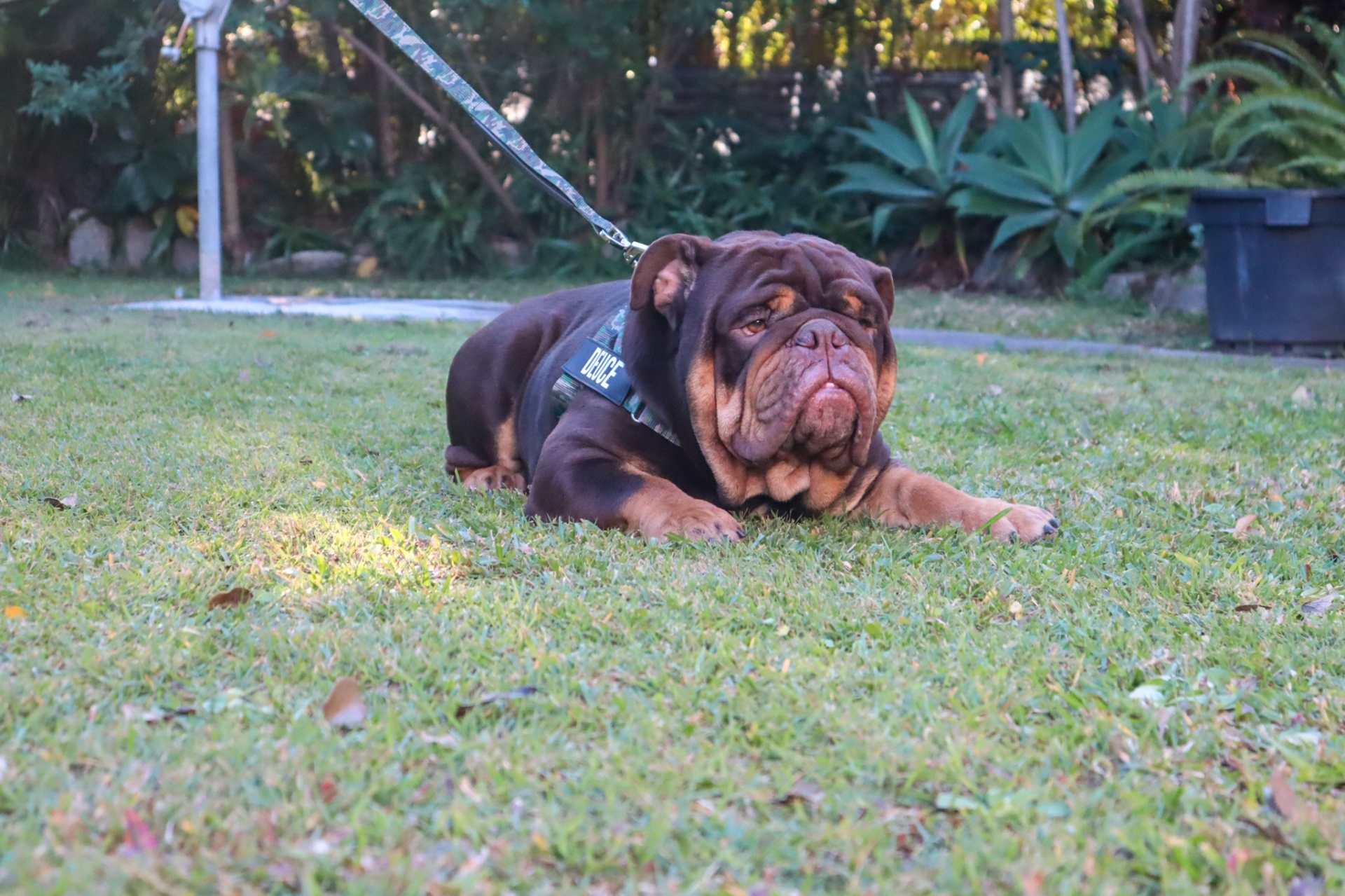
Every British Bulldog puppy inherits an ADAMTS3 copy number — 0, 1 or 2 — at conception. DNA screening is one important tool for understanding inherited risk, and ADAMTS3 testing informs breeding decisions when interpreted alongside structure, function and whole-dog assessment.
Breeding Philosophy
British Bulldog Breeding Decisions Australia — Why Every Pairing Starts With the Dam
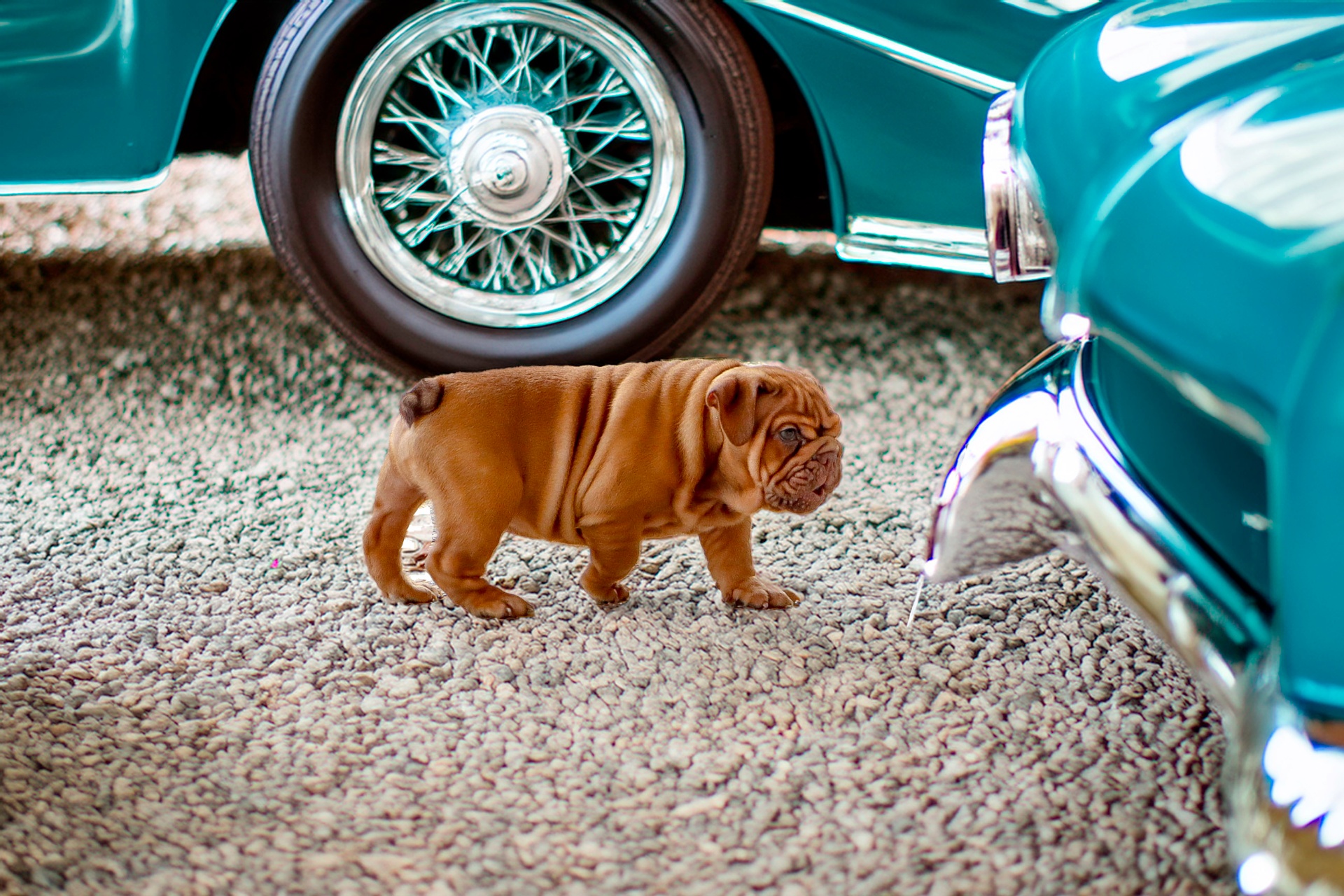
Every pairing starts with a weakness. Not the stud's strengths — the dam's weaknesses. That is the only honest place to begin.