Breeding Philosophy
British Bulldog Breeding Decisions Australia — Why Every Pairing Starts With the Dam
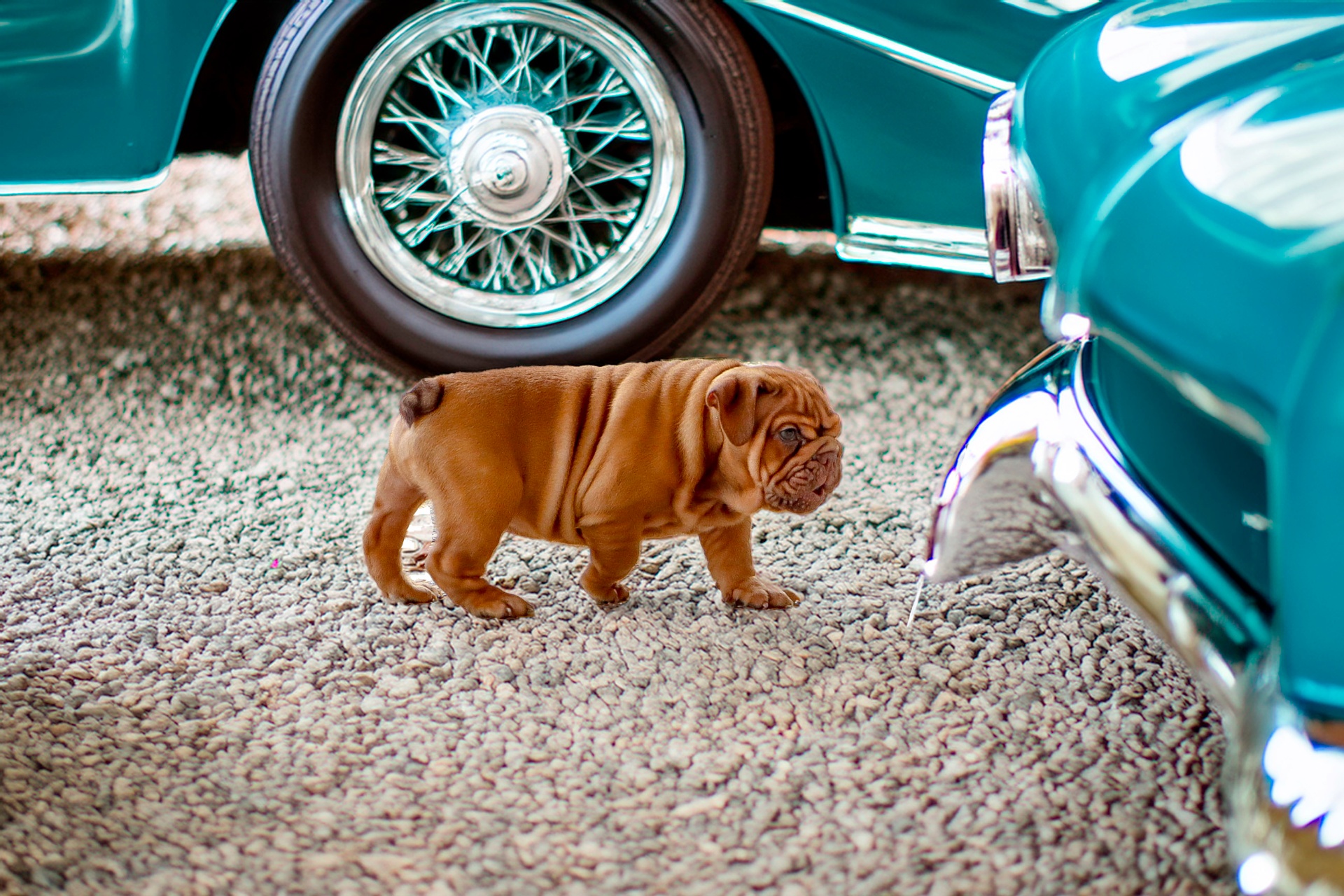
Key Takeaways
- Every pairing at Hollywood Bulldogs AUS begins with an assessment of the dam's weaknesses — structural, health-based, and hereditary — before any stud is considered
- ADAMTS3 is an important airway oedema risk marker considered alongside structure, function, health testing and whole-dog assessment; 2-copy × 1-copy pairings are not made and the copy number outcome is calculated before the pairing is formed
- Dogs that develop major health conditions are desexed; dams that struggle with pregnancy are not bred again; pairings that produce health concerns are closed permanently
- Structural faults actively bred away from: massive nose ropes, deep tail pockets, east-west feet, very pushed-in noses, and major hemivertebrae
- Outside studs are rare and assessed across DNA results, in-person structure, post-exercise breathing, lineage review, and references from previous stud service buyers
- A mating is repeated only when the outcome demonstrates it should be — not by default, not by assumption
Every puppy from this program is the result of a decision made before the litter existed. If this is the standard you were looking for —
Find out about availability at Hollywood Bulldogs AUSHow do you choose a British Bulldog breeding pair?
Most people assume a strong pairing starts with two impressive dogs. It does not. It starts with one — the dam — and a clear-eyed assessment of what she carries and where she is lacking.
Her structure is looked at specifically: what it shows well and what it does not. Her health history is reviewed for anything that affects her own health or what she might pass on. Her lineage is traced for patterns — conditions that have appeared in related dogs, that may be present in her without being visible yet.
The stud is selected against those specifics. Not because he is impressive. Because he addresses what the dam's assessment identified. His structure should correct what hers shows. His lineage should not compound what hers carries. His documented health information, structure and DNA results should complement the dam's assessment.
That is the work. Not finding two good dogs. Finding the right stud for that dam, at that point in time, with the specific combination of qualities that addresses what she needs.
No single test or assessment determines whether a pairing proceeds. Decisions are made using genetics, health information, structure, function, temperament and the long-term goals of the breeding program.
The puppy reflects the combination of decisions made before the litter existed.
“Every pairing starts with what needs to be better. Not with what already looks good.”
What ADAMTS3 copy number pairings are avoided in British Bulldog breeding?
ADAMTS3 is an important airway oedema risk marker considered alongside structure, function, health testing and whole-dog assessment. When a 2-copy dog and a 1-copy dog are paired, the possible outcomes for their offspring include 2-copy. That is the combination this program does not make. The calculation takes two minutes. The pairing influences one inherited airway oedema risk marker that is considered alongside structure, function and whole-dog assessment.
Any dog that develops a major health issue — regardless of how it looks, how it performs, or what its previous litters showed — is desexed. It does not have another litter. That decision is made once, without review.
If a dam experiences significant health issues during or after her pregnancy, she is desexed. Her welfare is not negotiated around the litter. The pregnancy is her last.
If a pairing produces puppies with health concerns, the combination that produced them is closed. Not assessed again after a season. Not given one more try. That stud and that dam are not paired again.
Every dog in a breeding program is making a statement about what the next generation will carry. These principles guide long-term breeding decisions within the program.
“The copy number calculation is done before the pairing exists. Not after.”
What structural faults does a British Bulldog breeding program breed away from?
Massive nose ropes — the heavy folds of skin across the muzzle — obstruct airflow and trap moisture. They are not a characteristic to manage around. They are a structural problem to breed away from. A dog with significant nose roping does not remain in the breeding program.
Deep tail pockets — the fold of skin beneath a screw or inverted tail — are a chronic source of infection and discomfort. Common in the breed. Common does not mean acceptable. They are bred away from deliberately.
East-west feet — where the paws turn outward significantly — indicate structural weakness in the shoulder and pastern. Over time, this affects movement and increases load on the joints. It is a structural fault, not a cosmetic one.
Very pushed-in noses represent extreme brachycephalic conformation. The degree of facial compression exists on a spectrum. Dogs at the extreme end carry greater airway risk and pass that structural extreme forward. That is not where this program selects.
Hemivertebrae — vertebrae that develop in a wedge shape rather than their typical form — occur across many breeds. Minor hemivertebrae may not affect a dog at all. Major hemivertebrae, where the deformity is significant enough to compress the spinal cord, can cause neurological symptoms. A dog with major hemivertebrae is not used in this program.
The dam's structure is assessed against these criteria. The stud is chosen partly because his structure corrects what hers shows. The puppy reflects the combination of decisions made during the pairing process.
How is an outside British Bulldog stud assessed before being used?
The preference is always to use dogs whose health history, lineage, and offspring outcomes are documented. Outside genetics introduce variables that no assessment can fully resolve.
When an outside stud is considered, his available DNA results and health documentation are reviewed first. Not as a formality. As a genuine filter.
He is seen in person. His structure is assessed against the same criteria applied to every dog in the program. After exercise — after a walk or run — his breathing is listened to. Not in a cool room on a quiet morning. After effort.
Previous stud service buyers are sought for references. How did the litters develop? What did the puppies show? The experience of people who have already bred to this dog is more useful than anything his papers confirm.
None of this removes all risk. It is the most thorough assessment the available information allows. When the assessment does not give enough confidence — the pairing does not proceed.
Our aim is that every pairing reflects the same documented decision-making process.
When does a successful British Bulldog mating get repeated?
The performance of both dogs at each stage is observed. How the stud performs at service. How the dam progresses through her pregnancy. How she recovers. How the litter develops from birth to eight weeks.
The dam's experience of her pregnancy is not treated as a variable to manage around. A dam that struggles — physically, with the pregnancy or whelping — is not placed through another. That decision is made before a second pairing is discussed.
When a pairing produces puppies that develop as expected, supported by health information, structure and ongoing evaluation — animals that develop soundly, whose documented results hold, whose structure at eight weeks is strong — that combination has demonstrated its value. It is worth repeating.
The goal is not to produce more litters. The goal is to improve. Every pairing is an assessment. Every outcome — positive or not — changes the next decision.
The dog that comes home with you is the result of that sequence. A decision about the dam's weaknesses. A stud selected to address them. A mating that proved itself before it was repeated.
That is the program. It does not happen by accident.
“A mating earns a repeat. It is not given one.”
Frequently Asked Questions
Continue Exploring the Program
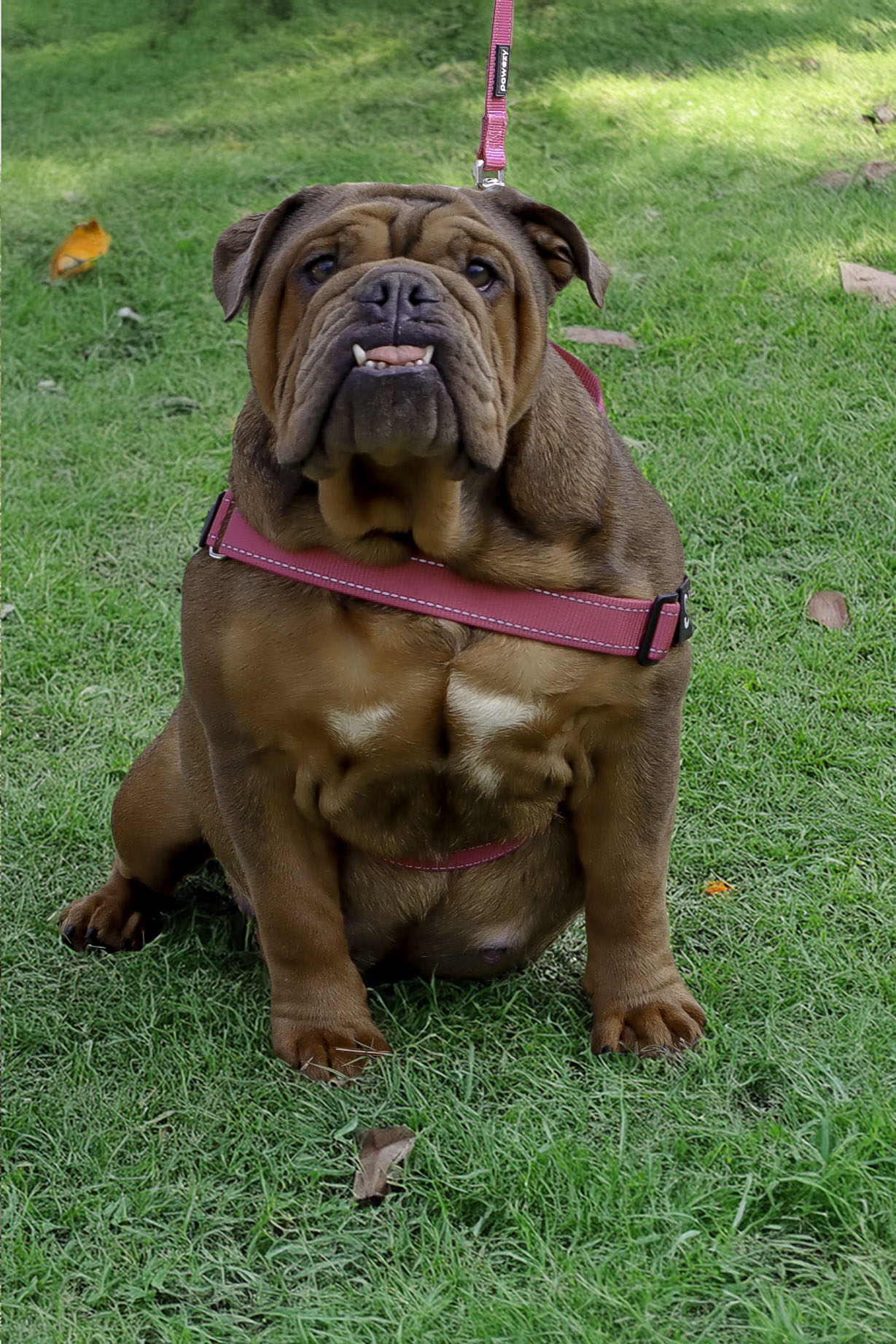
Health Testing
British Bulldog Health Testing Australia: Why DNA Is the Only Honest Measure
A British Bulldog can look healthy. That tells you how it looks on that day, in that room. It cannot tell you what it carries. It cannot tell you what it will pass on. DNA testing answers the questions that phenotype cannot.
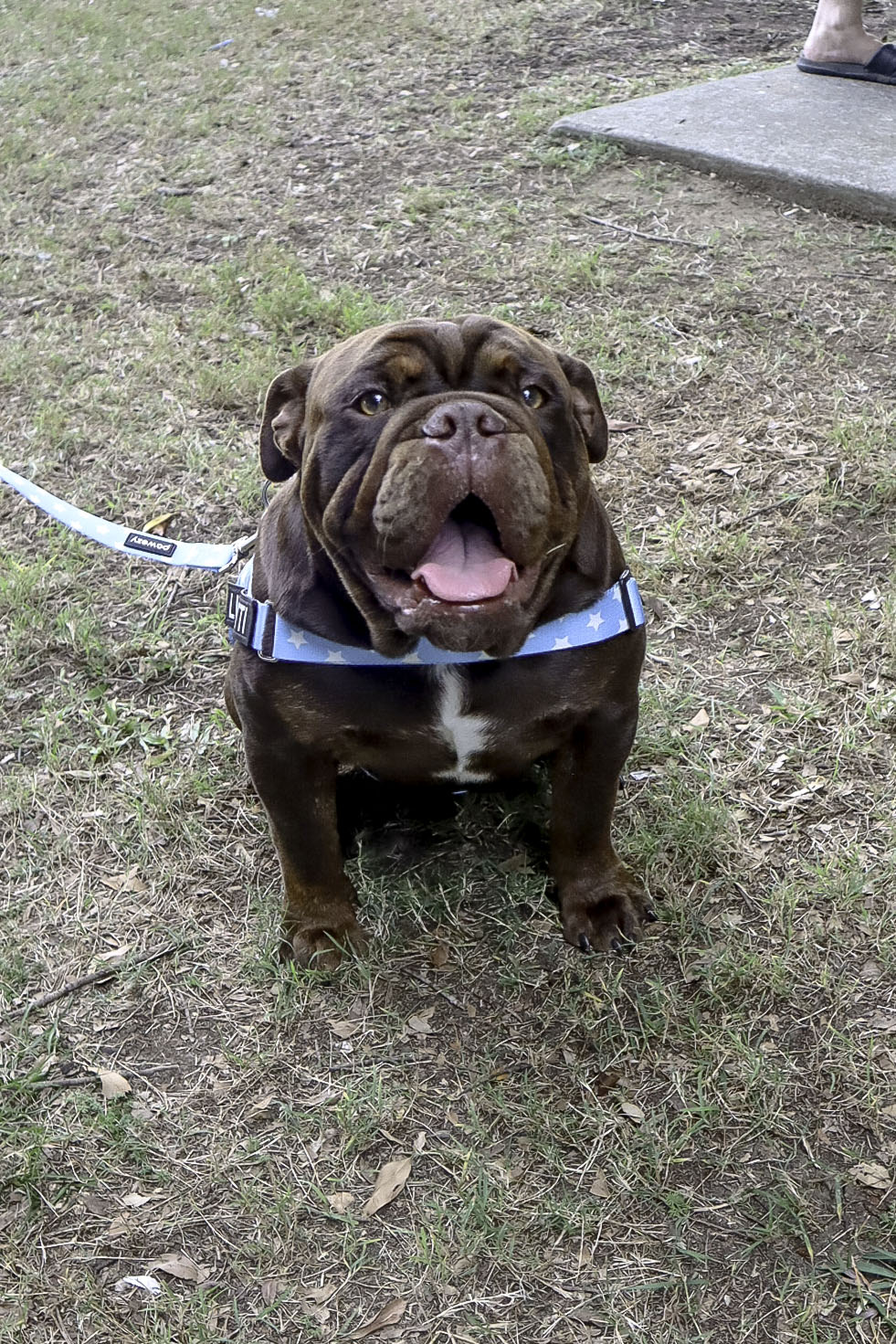
Genetics & DNA
ADAMTS3 British Bulldogs Australia: The Science, the Research, and Why It Matters
ADAMTS3 is an important airway oedema risk marker considered in British Bulldog breeding decisions. This guide explains what current research shows, what ADAMTS3 testing can tell you, and why it should always be interpreted alongside structure, function and whole-dog assessment.
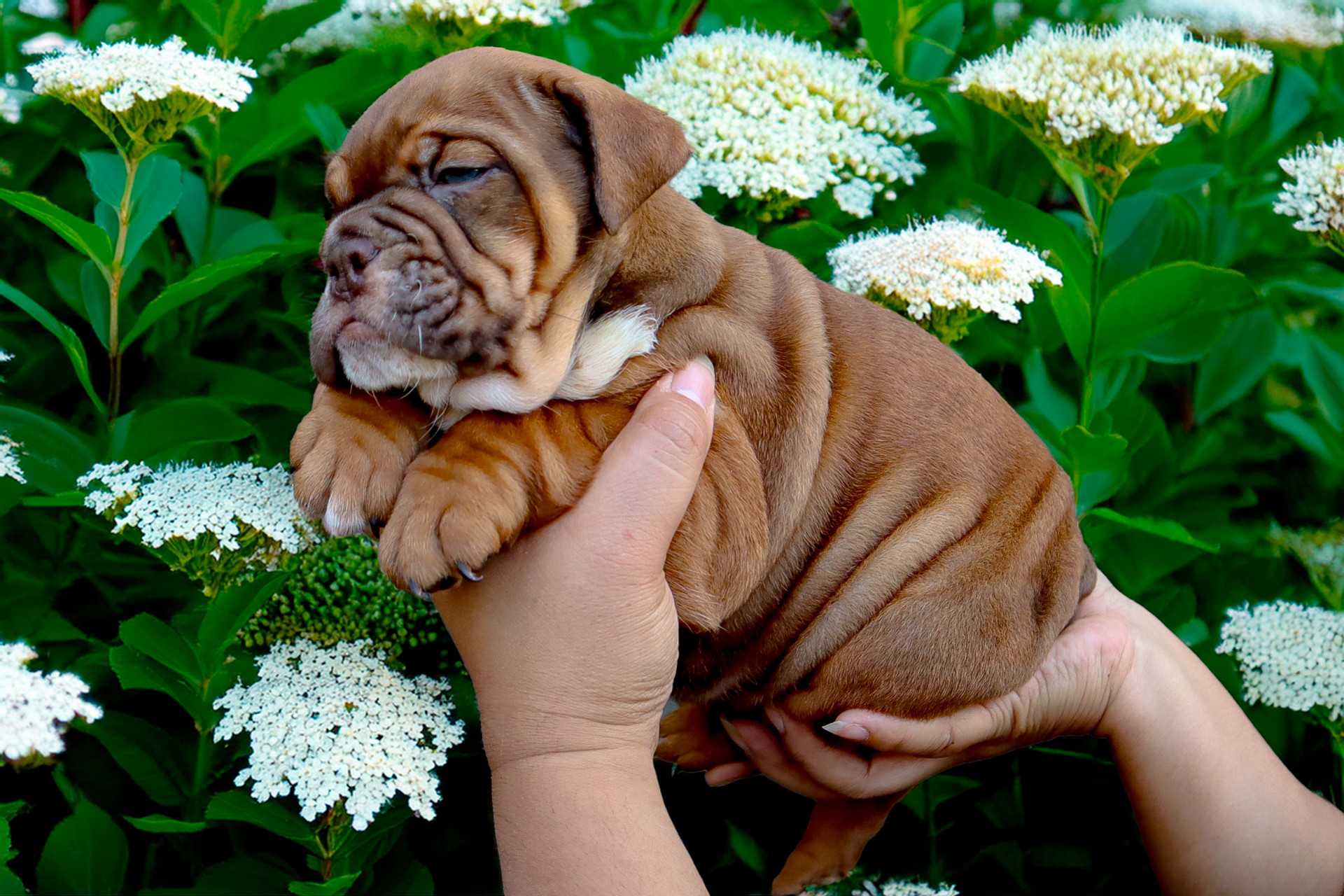
Choosing a Breeder
How to Choose a British Bulldog Breeder in Australia
If you have owned a British Bulldog before, you already know what a wrong choice costs. It costs in vet bills, in surgeries you were never warned about, in watching a dog you love struggle to breathe. This guide exists for people who want to get it right — and for people who need to understand exactly why getting it wrong is so costly.